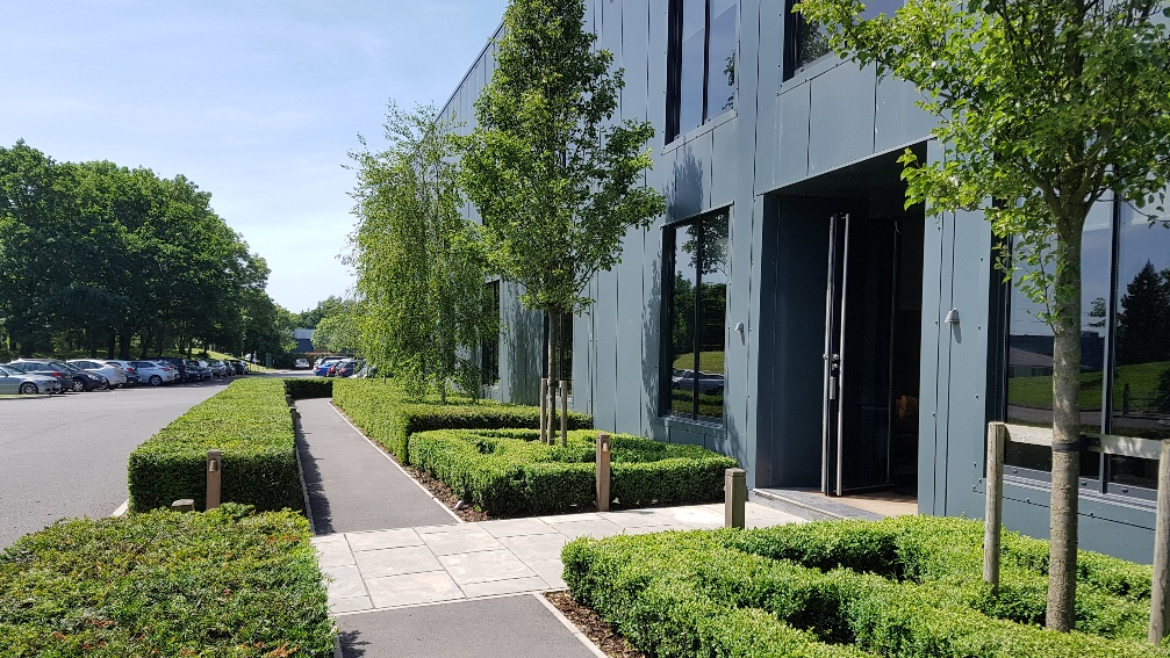
hedge trimming Knowle
Professional Hedge Trimming Services in Knowle: Complete Guide for 2026
Introduction
Professional hedge trimming in Knowle requires understanding local regulations, seasonal timing, and the specific needs of West Midlands gardens. CPM Grounds Maintenance provides comprehensive hedge cutting services throughout Knowle and the wider Solihull area, delivering expert care for residential and commercial customers alike.
This guide covers everything Knowle property owners need to know about hedge maintenance—from understanding local council requirements and bird nesting season restrictions to selecting the right service level and maintaining healthy growth year-round. Whether you’re managing a privet boundary, tackling an overgrown Leylandii screen, or maintaining a formal laurel hedge, this resource addresses your specific needs.
Direct answer: Professional hedge trimming services in Knowle are available year-round, with optimal booking periods from September to February to avoid nesting birds. Typical costs range from £150 for basic trimming to £400+ for complex jobs involving tall hedges or difficult access, with most standard domestic hedges (approximately 6ft height, 20ft length) costing £200-£300 including waste removal.
Key outcomes from this guide:
Understanding Knowle-specific regulations including conservation area rules and wildlife protection laws
Optimal seasonal timing for trimming different hedge species in the West Midlands climate
Cost factors affecting your hedge trimming service quote
Criteria for choosing a fully insured professional provider
Best practices for maintaining hedge health and appearance long-term
Understanding Hedge Trimming in Knowle
Professional hedge trimming involves far more than simply cutting hedges to size. It encompasses shaping, height and width reduction, pruning dead or diseased wood, thinning for improved airflow, and ensuring regulatory compliance. When completed properly, hedge maintenance protects the structural health of your plants, prevents pest and disease problems, and enhances your outdoor space.
In Knowle, well-maintained hedges are central to suburban appeal. They provide privacy, define property boundaries, and contribute significantly to property values. Poorly trimmed hedges—those left overgrown, uneven, or blocking light—can lead to neighbour disputes, complaints to Solihull Council, or breaches of planning rules in conservation areas.
Types of Hedges Common in Knowle
Knowle gardens feature several popular hedge species, each with distinct trimming requirements:
Privet (Ligustrum ovalifolium) is semi-evergreen and fast-growing, tolerating frequent clipping throughout the growing season. Light summer trims maintain shape effectively, though cutting too deep into old wood can compromise regrowth.
Laurel (Prunus laurocerasus) offers evergreen screening with large, shiny leaves. Heavy pruning should avoid frost periods, and professionals often use secateurs rather than powered shears to prevent unsightly brown-edged foliage.
Leylandii grows extremely fast—up to one metre annually—requiring frequent trimming (two to three times per growing season) to maintain form. This species demands particular expertise because cutting into bare wood typically fails to regenerate.
Other common species include beech, hornbeam, hawthorn, and yew, each requiring specific pruning windows and techniques to promote healthy growth.
Knowle-Specific Regulations and Considerations
The Wildlife and Countryside Act 1981 prohibits damaging or destroying active bird nests throughout England, including domestic gardens in Knowle. While there’s no blanket ban on garden hedge trimming during bird nesting season (broadly March 1 to August 31), you must ensure no active nest is present before work begins.
Knowle falls within Solihull Metropolitan Borough, where some areas carry conservation area designations with additional restrictions on hedge height, species selection, and frontage appearance. Properties may also be subject to Tree Preservation Orders or local landscape ordinances requiring consent for significant cutting or removal.
Understanding these regulations ensures your hedge work remains compliant while protecting local wildlife and avoiding potential legal penalties.
Seasonal Hedge Trimming in Knowle
The West Midlands climate—mild winters, wet springs, warm summers, and cool autumns—directly influences hedge growth cycles and optimal trimming windows. Planning your hedge maintenance around these seasonal patterns ensures the best results for your property.
Spring Trimming (March-May)
Spring presents particular challenges because nesting birds may begin establishing homes as early as March. For garden hedges, conduct light formative pruning in late February or early March before branches leaf out fully.
Deciduous hedges planted recently benefit from early shaping to encourage low branching. For species like beech and hornbeam, gentle trimming after flowering helps correct structure. Avoid deep pruning of conifers or evergreen laurel during this period—focus instead on light shaping while remaining vigilant for wildlife activity.
Summer Maintenance (June-August)
Growth peaks during summer, particularly for evergreen hedges, privet, laurel, and Leylandii. Regular light trimming maintains shape and prevents hedges becoming unmanageable. However, avoid hard pruning during very hot, dry periods as this can stress plants and cause die-back or scorching.
Bird nesting season remains active until late August. Even during routine summer maintenance, professionals must check for nests before trimming. If a nest is discovered, work in that section must be delayed until the birds have fledged.
Autumn Preparation (September-November)
The period from September onwards represents the optimal window for major hedge work. With nesting season concluded, heavier trimming, height reductions, and clearance of overgrown or diseased sections can proceed safely.
Deciduous hedges entering dormancy after leaf drop are ideal candidates for structural pruning. Trimming during this window helps hedges harden off new growth before frost, reduces pest and disease pressure, and maintains neat appearance through winter. Avoid very late trimming close to frost to prevent exposing vulnerable wood.
Key timing summary: September to February offers the safest window for major hedge work; lighter maintenance continues year-round with appropriate wildlife checks; March to August requires caution and nest inspections before any cutting.
Professional Hedge Trimming Process in Knowle
Our comprehensive approach to hedge trimming ensures every job meets the highest standards while respecting Knowle’s specific requirements and your property’s individual characteristics.
Our Hedge Trimming Procedure
CPM Grounds Maintenance follows a systematic process for every hedge trimming service:
Site Assessment: We inspect hedge species, age, height, width, and orientation; identify existing damage or disease; assess accessibility including gates, obstacles, and utility lines; check for wildlife presence; and verify property boundaries.
Equipment Setup and Safety Preparation: Our team selects appropriate tools—hand shears, telescopic loppers, powered trimmers, or access equipment for tall hedges—and establishes all necessary safety measures including PPE and site protection.
Precision Cutting and Pruning: We shape formal hedges with flat tops and vertical sides (slightly narrower at top for optimal light penetration), remove dead or diseased wood, thin interior growth where necessary, and ensure all cuts are clean for optimal healing.
Waste Removal: All clippings are collected and removed from site through licensed green waste disposal, leaving your garden completely tidy.
Final Inspection: We walk the entire perimeter checking continuity, symmetry, and consistent height, making adjustments where needed.
Follow-Up Recommendations: You receive advice on feeding, watering, mulch application, pest monitoring, and scheduling for next maintenance visit.
Service Options Comparison
Criterion | Basic Trim | Premium Service | Annual Contract |
|---|---|---|---|
Price Range | £150-£200 | £250-£400 | £400-£700/year |
Services Included | Standard top/side trim, light pruning, waste removal | Shaping, species-specific pruning, pest inspection, deadwood removal | 3-4 visits annually, all Premium features |
Frequency | One-off or seasonal | 2-3 times per year | Scheduled throughout year |
Additional Benefits | None | Mulching, feeding, climb/ladder work | Priority booking, emergency call-outs, free inspections |
For Knowle residents with standard hedges requiring occasional maintenance, Basic Trim provides excellent value. Properties with larger hedges, fast-growing species like Leylandii, or specific appearance requirements benefit from Premium Service. Annual Contracts suit homeowners wanting worry-free maintenance with guaranteed scheduling and emergency cover.
Common Hedge Trimming Challenges in Knowle
Knowle properties present specific challenges that require professional expertise and local knowledge to address effectively.
Overgrown Leylandii Hedges
Leylandii hedges left untrimmed become dense screens that block light and create neighbour tensions. The key challenge: cutting back into bare wood (branches without green foliage) results in permanent bare patches.
Solution: Gradual height and width reduction over two to three seasons rather than drastic single cuts. We focus on green growth only, reducing top growth first then sides, using specialist height equipment where needed. For boundary Leylandii, we recommend communication with neighbours before major work and shaping to reduce future maintenance burden.
Boundary Disputes and Shared Hedges
Questions about ownership, maintenance responsibility, permitted height, and overhang frequently arise with boundary hedges. Solihull Council occasionally mediates significant disputes.
Solution: Reference property deeds and local bylaws to establish ownership. Obtain written agreement with neighbours regarding height and maintenance schedule. For hedges qualifying as hedgerows under Hedgerows Regulations 1997, seek appropriate permissions before removal or major restructuring. Our team provides precise shaping to avoid trespass while maintaining agreed boundaries.
Access Issues in Knowle Properties
Narrow driveways, gates, steep slopes, proximity to listed buildings, overhead cables, and safety concerns when working at height all complicate hedge maintenance in Knowle.
Solution: We use compact battery-powered equipment where access is tight, scaffold or platform hire for tall hedges, and careful scheduling when ground conditions are stable. For properties in conservation areas or near listed buildings, we employ low-noise, low-vibration tools and gentler trimming approaches. Annual contracts allow us to schedule work when access conditions are optimal.
Professional expertise makes the difference between a job completed safely and effectively, and one that creates problems or leaves you unhappy with results.
Conclusion and Next Steps
Professional hedge trimming in Knowle demands understanding of local regulations, seasonal timing windows, species-specific techniques, and the practical challenges of West Midlands properties. CPM Grounds Maintenance brings this expertise to every job, ensuring your hedges remain healthy, tidy, and compliant while enhancing your property’s appearance.
Immediate next steps:
Assess your hedges—note species, approximate dimensions, last trimming date, and any specific concerns
Consider seasonal timing—September to February offers the widest window for comprehensive work
Contact CPM for a free quote—we’ll visit your site, discuss requirements, and provide a transparent price
Related services: Many Knowle clients also benefit from our tree surgery for hedges adjacent to trees, garden maintenance for complete outdoor space care, and garden clearance for overgrown properties requiring restoration.
Additional Resources
Solihull Council Planning Department: Contact for conservation area guidance and hedgerow regulations specific to Knowle properties.
Seasonal Hedge Care Calendar for West Midlands:
February-March: Light formative pruning before nesting season
April-August: Monitor growth, check for nests before any work
September-November: Optimal window for major trimming and shaping
December-January: Dormant period; structural work on deciduous hedges
Emergency Storm Damage: Contact CPM immediately for fallen or damaged hedges blocking access or creating safety hazards—we offer priority response for existing customers and rapid assessment for new enquiries.
For professional hedge cutting services in Knowle that you can trust, contact our friendly team to discuss your requirements and receive a no-obligation quote.